Complete Yard Cleanup for Outdoor Refreshing
Design Through Care: Find Out About the Diverse Varieties of Grounds Offerings We Deliver
Landscaping solutions include a extensive array of services, from preliminary design ideas to ongoing maintenance. Each step is vital in creating and sustaining an outdoor area that corresponds with personal preferences and environmental considerations. By comprehending the procedure and alternatives at hand, homeowners can choose wisely that improve both visual appeal and practical use. What particular features should one consider to ensure a prosperous outdoor renovation?
How to Establish Your Landscaping Vision
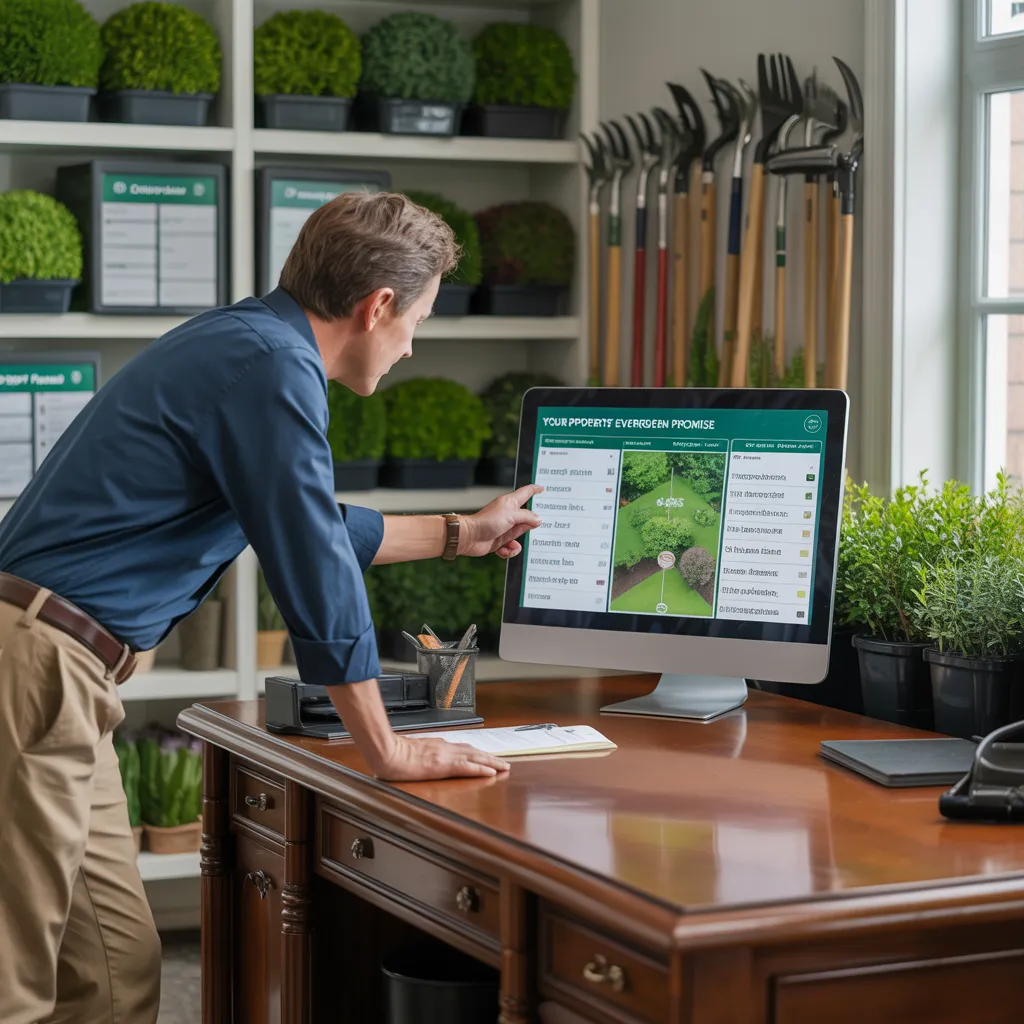
Formulating a outdoor design vision is crucial for developing an outdoor space that expresses personal style and fulfills everyday requirements. This effort commences by reviewing the existing environment, encompassing soil quality, sunlight exposure, and climate considerations. Comprehending these factors facilitates selecting suitable plants and materials.
Next, people should reflect on their daily habits and how they intend to use the space. Whether for hosting events, gardening, or rest, these activities will dictate design choices.
Creative ideas for visuals can be gathered from various places, including magazines, online platforms, or nature itself. A mood board can support clarifying your preferences.
Ultimately, defining a budget is vital, as it impacts plant selection, hardscape alternatives, and complexity of design. By combining these elements, people can establish a clear outdoor design vision that harmonizes visual beauty with functionality, laying the groundwork for a successful landscape transformation.
Designing the Superior Garden Style
After a distinct landscape concept is established, the subsequent step involves developing the perfect landscape design. This undertaking demands a combination of ingenuity and practical considerations. Successful landscape design commences by evaluating the site's unique characteristics, such as topography, soil type, and sunlight exposure. These factors direct the layout, guaranteeing the design improves the organic appeal of the environment.
A well-designed design brings together varied elements, including hardscaping features like patios and pathways, alongside softscaping components such as lawns and gardens. Strategic placement of these components creates a cohesive flow, guiding visitors through the space. Additionally, attention to scale and proportion guarantees that each element supports the others, avoiding overcrowding or disharmony.
Ultimately, the design should mirror the client's preferences while maintaining functionality. By meticulously planning every element, a outdoor design can transform the exterior area into a stunning and inviting setting, ready to be appreciated year-round.
Selecting Vegetation That Flourish in Your Climate
Choosing vegetation that flourish in a particular climate requires a comprehensive understanding of climate zones, which show which species can endure local temperatures. Furthermore, prioritizing native plants can enhance environmental equilibrium and durability in the garden. Seasonal planting factors also serve as an crucial part in ensuring sustained success and health of the landscape.
Comprehending Plant Resilience Zones
Comprehending hardiness zones is important for gardeners and landscapers seeking to maintain plants that will thrive in their given climates. These zones, outlined by the USDA, categorize areas based on average minimum winter temperatures. By knowing the hardiness zone of a place, gardeners can pick plants that are more likely to endure local weather. Each zone is numbered, with subdivisions showing small temperature fluctuations. For example, a plant classified under Zone 5 may not do well in Zone 4, where winters are harsher. Knowing these zones aids in planning plant choices, leading to healthier landscapes and minimizing chances of plant failure. This information eventually helps create a more resilient and flourishing garden or landscape.
Native Vegetation Selection
While many cultivators may be tempted to choose unusual species for their landscapes, going with indigenous plants often gives better results. Indigenous species are fitted for local climates and soils, requiring less water and maintenance compared to non-native varieties. They provide crucial dwellings for native creatures, promoting species richness and natural harmony. Picking native species can also minimize pest issues, as these plants are inherently strong to local diseases. In addition, integrating indigenous species strengthens the aesthetic appeal of a landscape by reflecting the region's natural beauty. Gardeners are encouraged to study the exact indigenous species compatible with their area, making certain a thriving garden that matches environmental sustainability. Ultimately, native plant selection creates a harmonious and resilient landscape.
Important seasonal planting points for your growing space
In preparing a garden, gardeners must consider the seasonal environmental changes that affect plant development and vitality. Choosing plants that thrive in specific climate zones guarantees optimal growth and longevity. For example, in the warmer regions, drought-resistant plants are often preferred, while cooler climates support hardy perennials that can resist frost. Understanding local weather patterns, including rainfall and temperature changes, assists in selecting the right species. Additionally, seasonal changes dictate the best planting times; spring suits many annuals, whereas fall is ideal for some perennials. By matching plant selection with local climate conditions, gardeners can create vibrant, sustainable landscapes that flourish through all seasons, reducing maintenance efforts and enhancing the overall appeal of the garden.
Design Your Dream Outdoor Living Environment
Building a dream backyard sanctuary requires careful consideration of tailored design solutions that communicate individual preferences. Functional outdoor features, including lounging zones and cooking spaces, boost usability while complementing the overall aesthetic. Collectively, these elements create a yard into a unique getaway.
Customized Design Solutions
Tailored design methods give homeowners the ability to transform their outdoor spaces into personalized havens. By considering individual preferences, lifestyles, and environmental factors, landscaping professionals produce unique designs that represent the homeowner's vision. These solutions cover various elements, such as plant selection, hardscaping, and layout adjustments, guaranteeing that each outdoor space is both aesthetically pleasing and functional. Through collaboration with clients, designers incorporate specific themes, colors, and materials, boosting the overall appeal. The goal is to form well-balanced environments that blend naturally with the home while satisfying the homeowner's practical needs. Ultimately, tailored design solutions not only enhance the beauty of outdoor areas but also cultivate a sense of connection with nature, enriching everyday experiences.
Functional Outdoor Features
Essential outdoor components hold a vital role in elevating the usability and pleasure of outdoor living spaces. These aspects, such as patios, decks, and outdoor kitchens, form inviting areas for relaxation and mingling. Integrating features like fire pits and water elements can offer both beauty and practical returns, enabling homeowners to savor their yards year-round. Moreover, well positioned seating and dining areas promote gatherings, while pathways and lighting strengthen mobility and safety. sustainable options, like rain gardens and permeable paving, advance ecological conditions. Ultimately, essential outdoor components reshape a yard into a versatile space that satisfies assorted demands, supporting homeowners to enhance their outdoor experience while fostering a serene balance between nature and design.
What Methods Can Assist Your Landscaping Become More Green?
What methods can homeowners redesign their outdoor spaces into sustainable landscapes? One sound approach is to add native plants, which demand less water and care while supporting local wildlife. Using drought-tolerant species can greatly cut water consumption, making landscapes more green.
Another method entails implementing rain gardens to handle stormwater runoff successfully, allowing rainwater to absorb into the ground rather than leading to pollution. Homeowners can also opt for eco-friendly fertilizer alternatives and pest prevention methods to minimize chemical usage, encouraging a better ecosystem.
Incorporating porous surface options for pathways and driveways can improve water infiltration, reducing soil degradation and water discharge. Additionally, installing composting containers encourages waste recycling and enriches earth vitality.
Important Regular Landscape Maintenance
What essential activities guarantee a landscape persists as vibrant and healthy throughout the year? Year-round landscape maintenance encompasses a selection of necessary activities that promote peak advancement and charm. Regular mowing confirms that grass remains fit and at an suitable height, while seasonal fertilization furnishes necessary nutrients. Shearing shrubs and trees not only maintains their shape but also spurs healthy growth and lowers the risk of disease.
Weeding is an additional crucial task since it inhibits conflict for supplies among plants. Mulching assists in keeping soil moisture and restrains weed growth, upgrading the overall appearance of garden beds. Additionally, seasonal checks of irrigation systems ensure efficient water use, avoiding waste and promoting sustainability.
Redesigning Your Space: Stunning Before and After
A properly maintained landscape forms the basis of transformational find out about this changes that can elevate any outdoor setting. Landscaping services specialize in revitalizing environments, exhibiting eye-catching before-and-after makeovers that inspire awe. These projects usually initiate with a comprehensive assessment of the present landscape, locating spots needing work, such as dense vegetation, worn pathways, or poor illumination.
After the design is completed, experienced experts apply enhancements that may feature new plantings, decorative features, and functional installations like patios or outdoor kitchens. The results can be striking: barren yards can develop into vibrant gardens, while plain pathways can be transformed into inviting walkways.
Photographs documenting these changes showcase the effectiveness of expert landscaping. The stark contrast between the starting condition and the finished project emphasizes not only visual beauty but also the enhanced worth of the residence. Ultimately, a beautifully transformed landscape can establish a welcoming atmosphere, enriching the overall experience of outdoor living.

Popular Questions Asked
What Constitutes the Common Fee for Landscaping Services?
The average cost of landscaping services usually falls from $1,500 to $5,000, based on factors such as project size, complexity, and materials used. Property owners frequently find variable pricing based on local labor rates and economic conditions.
How Extended Time Should You Expect for a Landscaping Project?
A landscaping initiative typically takes between one to four weeks, subject to elements such as project size, complexity, weather conditions, and the specific services required. Proper planning can help optimize the timeline with effectiveness.
Are Seasonal Outdoor Design Options Offered?
Yes, seasonal landscaping services are provided, including spring clean-ups, summer maintenance, autumn leaf removal, and winter preparations. These services ensure landscapes stay healthy and visually appealing throughout the changing seasons, addressing specific seasonal needs effectively.
Can I Maintain My Outdoor space Myself After Implementation?
Yes, upkeeping a landscape by yourself after installation is achievable. However, it calls for knowledge of correct methods, equipment, and seasonal care to ensure the landscape remains vibrant and visually attractive over time.
Which Tools Do You Use for Landscaping Jobs?
Landscaping undertakings typically demand equipment such as lawnmowers, trimmers, blowers, shovels, rakes, and various power tools. Larger undertakings may also utilize excavators and trucks for conveying materials, boosting efficiency and precision in the work.